WorkGunter Metals
Gunter Metals: from a contact form to a digital metal counter
Gunter Metals is a metal fabrication shop in Middle Tennessee. It had a one-page website with a contact form. Now customers buy metal cut to length from their phones and see what is in stock, and requests for proposals go straight into Jobber, the shop's CRM and quoting tool. I designed the brand and built the storefront.
- Role
- Brand, storefront and systems
- Phase one
- Live at guntermetals.com
- Built on
- Shopify, with Jobber for CRM and quoting
- Brand identity
- 4 days, designed with Claude

The wordmark, cut from a sheet of steel as you scrollThe gaps in the R and the A are stencil bridges, sized so a torch can cut the letters from the sheet
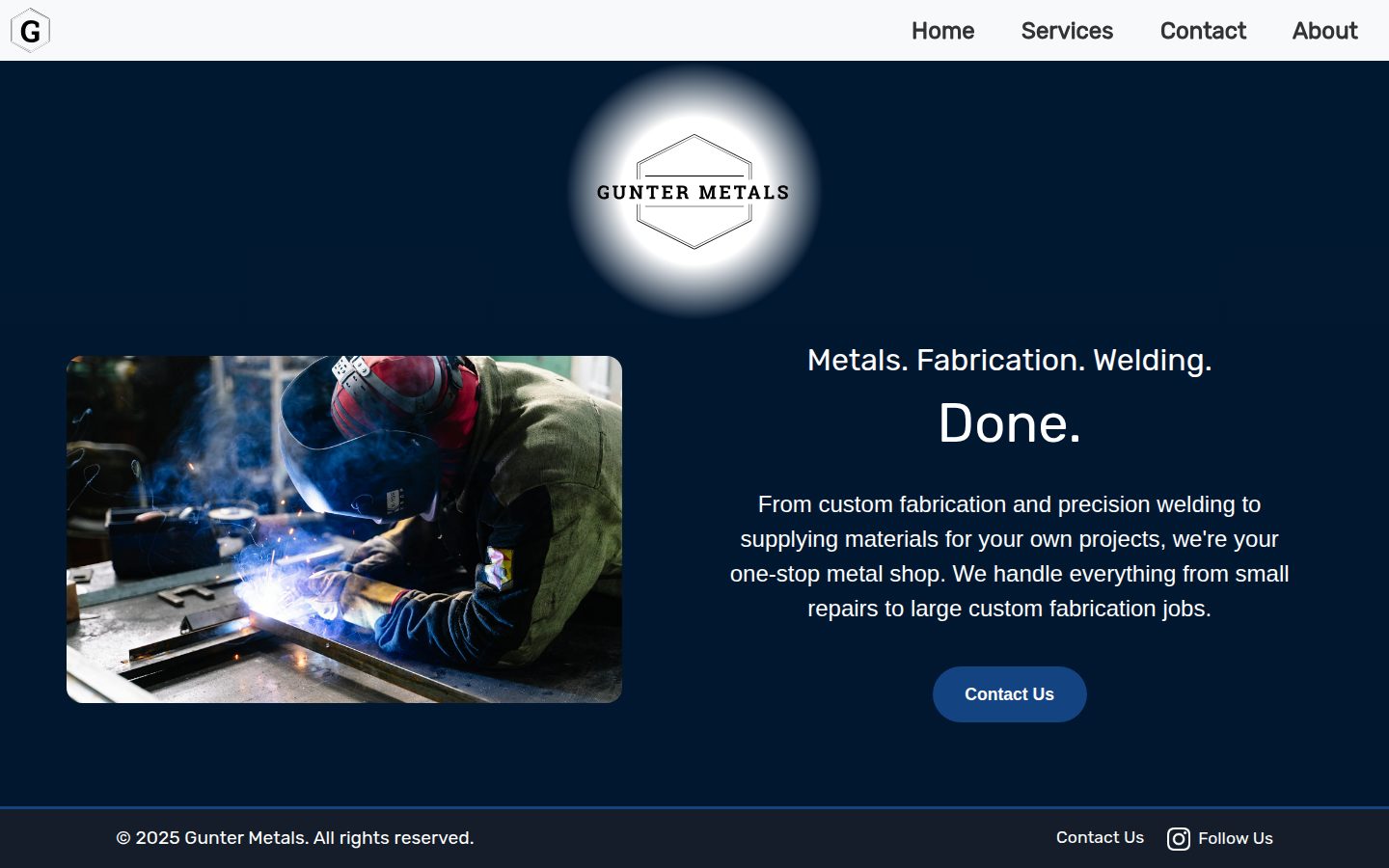
Before
Gunter Metals had a one-page website with a contact form.
There was no way to buy metal online, and service requests came in with little to go on. Orders, quotes and questions all ran through Tim and Etta's phones.
The shop needed a digital metal counter: somewhere customers could find the metal they need, see the price and whether it is in stock, and order it cut to length without a phone call.
Phase one
What the shop can do now
Before
- A one-page website
- A simple contact form
- No way to buy metal online
- Service requests with little to go on
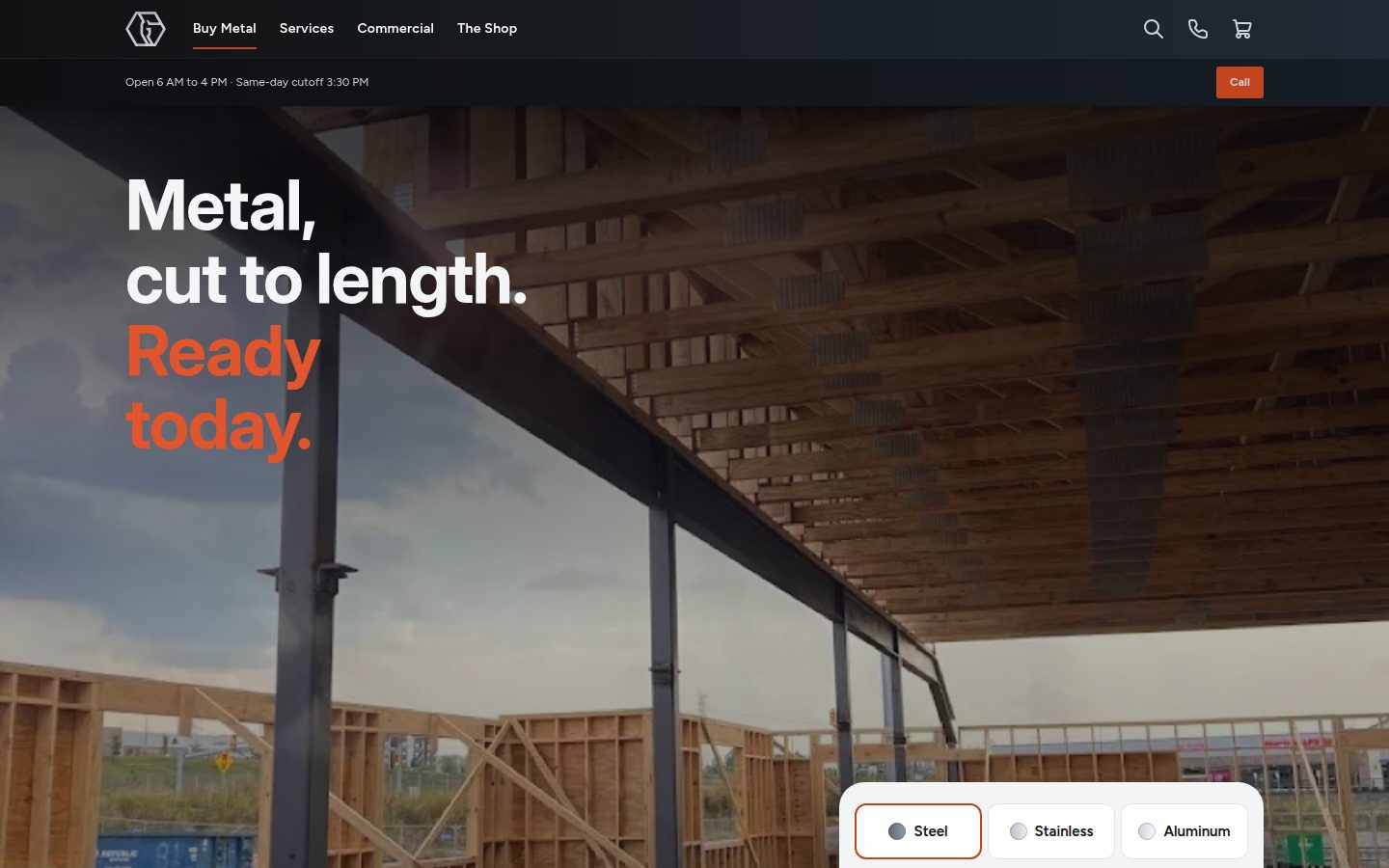
After phase one
- A digital metal counter with dynamic pricing
- Real products and inventory, kept up to date from a spreadsheet
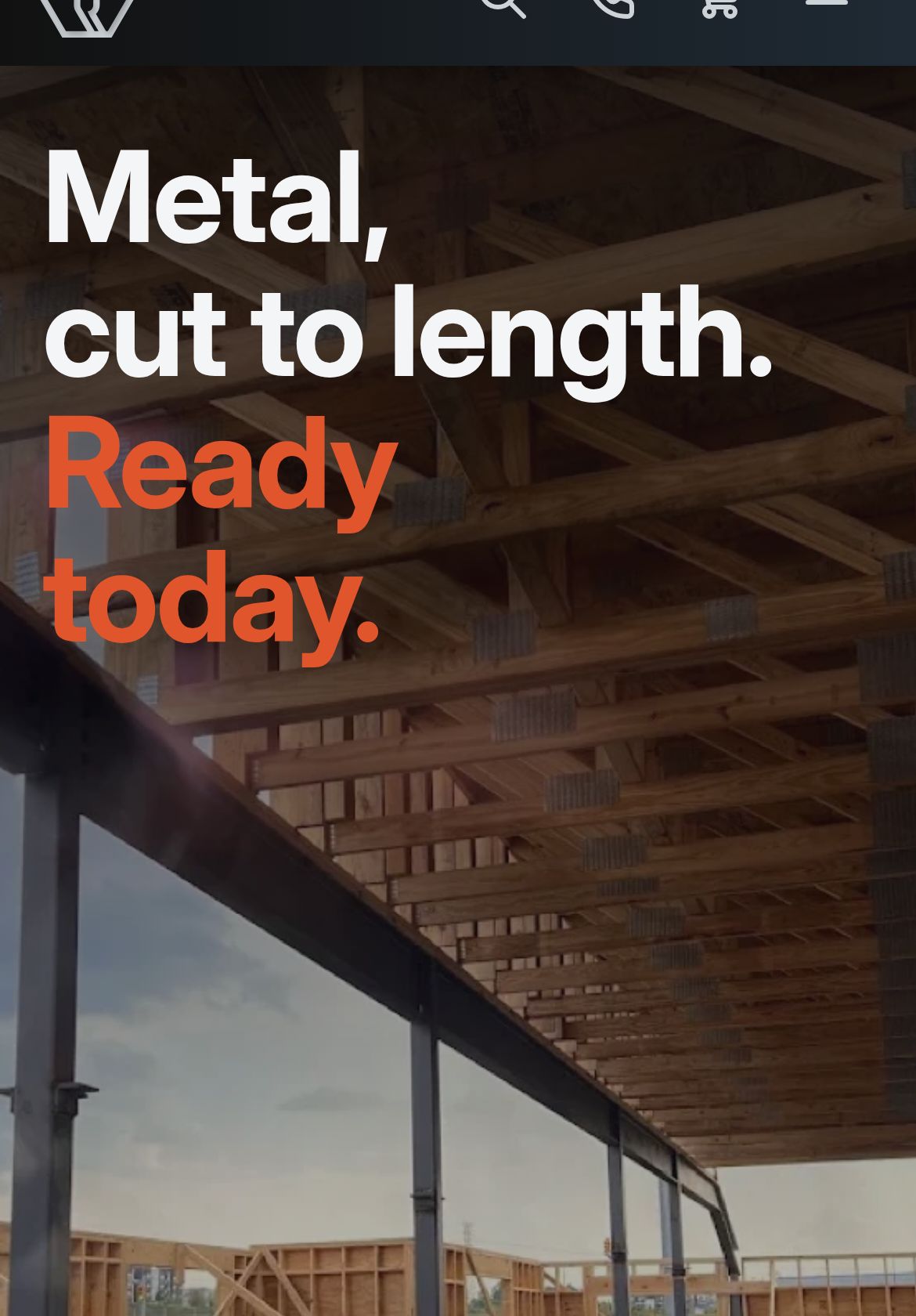
- Metal ordered to length from a phone, ready the same day when it is on the rack
- Requests for proposals that go straight into Jobber, the shop's CRM and quoting tool
Phase one came in well above expectations. The metal counter works, and Tim and Etta can run it themselves.
The metal counter
A digital metal counter, built for phones
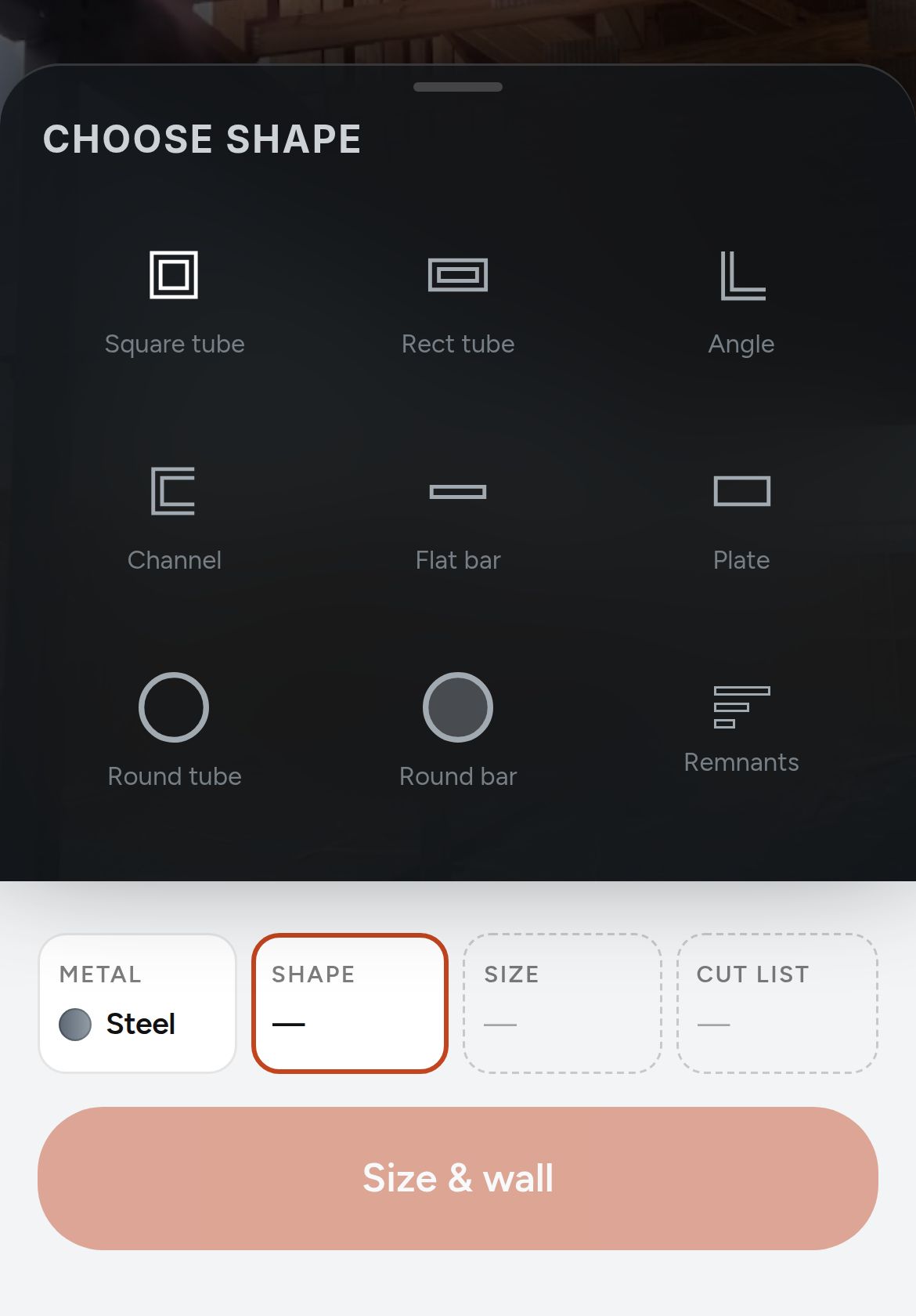
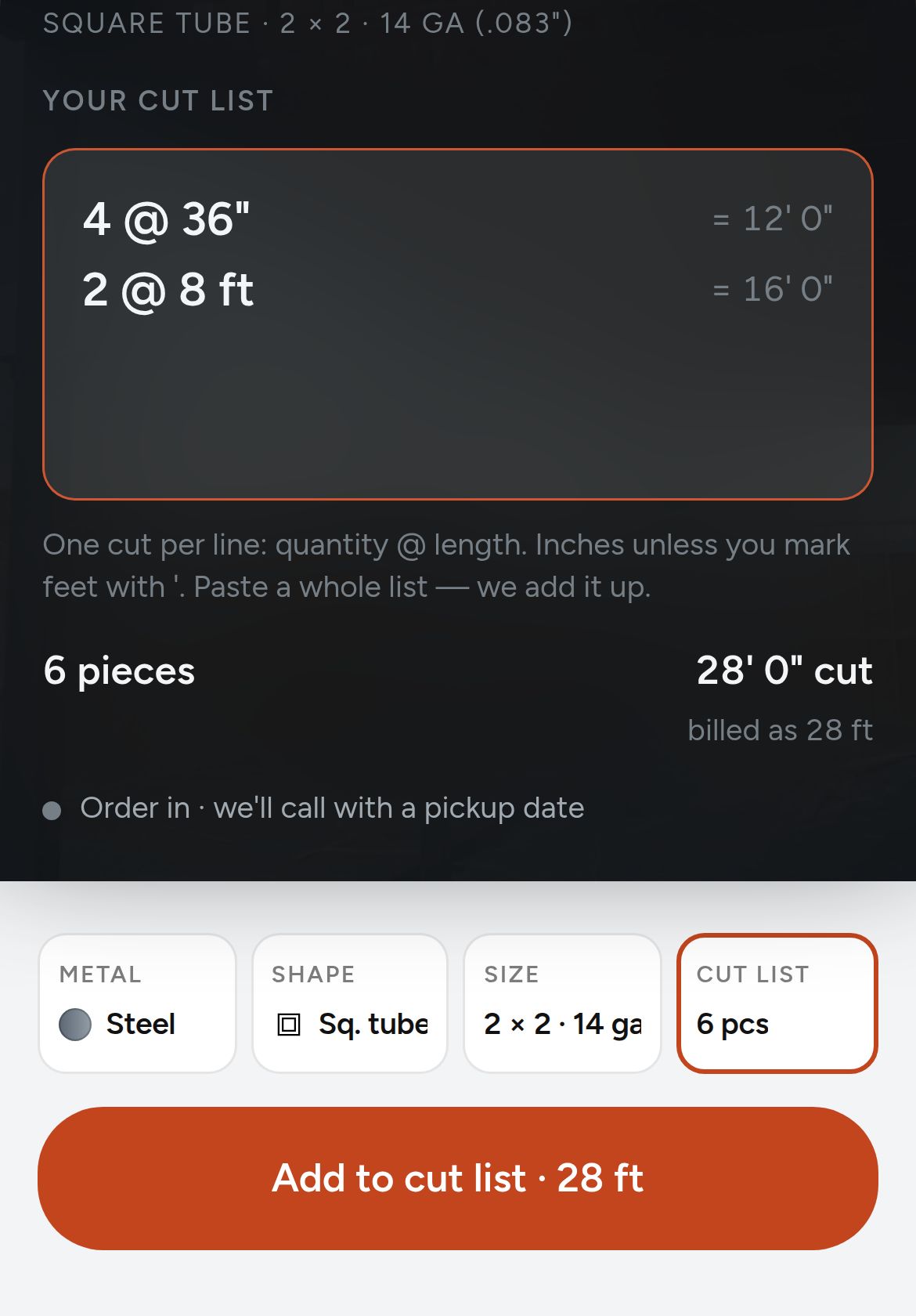
Live at guntermetals.com. Customers pick the metal, shape and size, see whether it is on the rack, and type a cut list the way they would say it at the counter.
Tim and Etta keep a spreadsheet
What's for sale, what it costs and what's on the rack live in one spreadsheet they already know how to edit. Change a row and the prices and stock on the site follow.
Every size is a real product
Steel, stainless and aluminum in tube, angle, channel, flat bar, plate and more, each with its own price and inventory, so customers see whether it is on the rack or has to be ordered in.
Customers type a cut list
“4 @ 36” and “2 @ 8 ft” turn into pieces and total length as they type, the way a good counter clerk would add it up.
They pick it up the same day
Stock on the rack is ready the same day. Anything else gets a call with a pickup date.
Requests for proposals go into Jobber
Service and commercial requests flow straight into Jobber, the shop's CRM and quoting tool, so every request arrives in one place and nothing lives only in a text message.
A catalog AI can read
Product and pricing rules sit in plain, tested files, so the same logic serves the website, AI shopping assistants and future tools for contractors.
The brand
Four days, with Claude as a design partner
The shop also needed a brand that looks like the work it does. The brand identity was designed with AI in four days and a lot of iteration. I used Claude through every step I would normally run with a studio team.
Research
A competitive map of regional shops and a mood board built from real steel: mill scale, galvanizing, powder coat.
Surface study
How bare, galvanized and powder-coated steel actually read on screen, so the brand colors come from the material instead of a trend.
Letterforms
Monogram and stencil studies, then a wordmark drawn to be manufactured. The bridges in the letters are sized to what a torch and the sheet can hold.
Iteration
Many rounds across Claude, Illustrator and Figma. AI widened the options and pressure-tested them. I made the calls.
Motion studies, from the Figma file
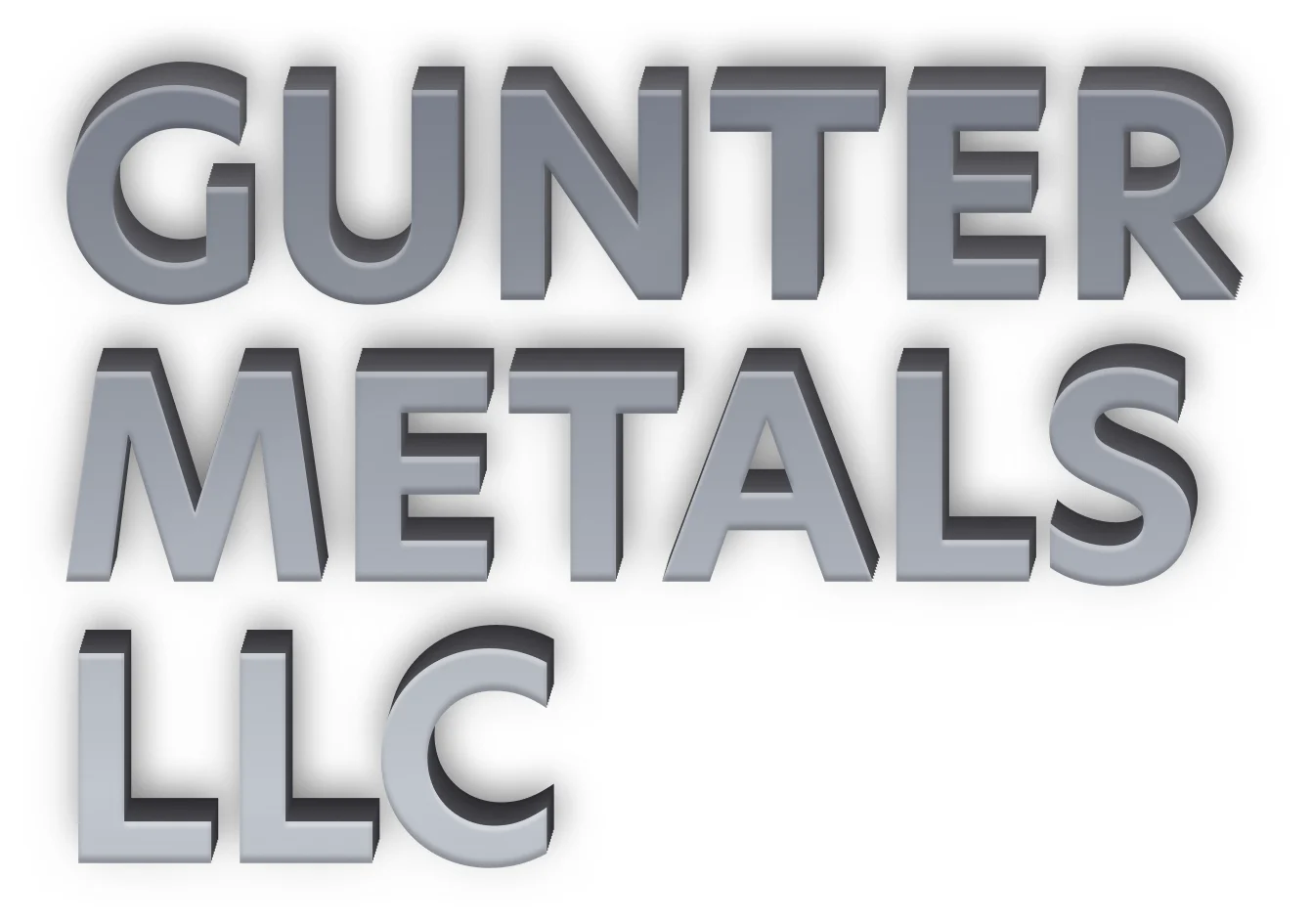
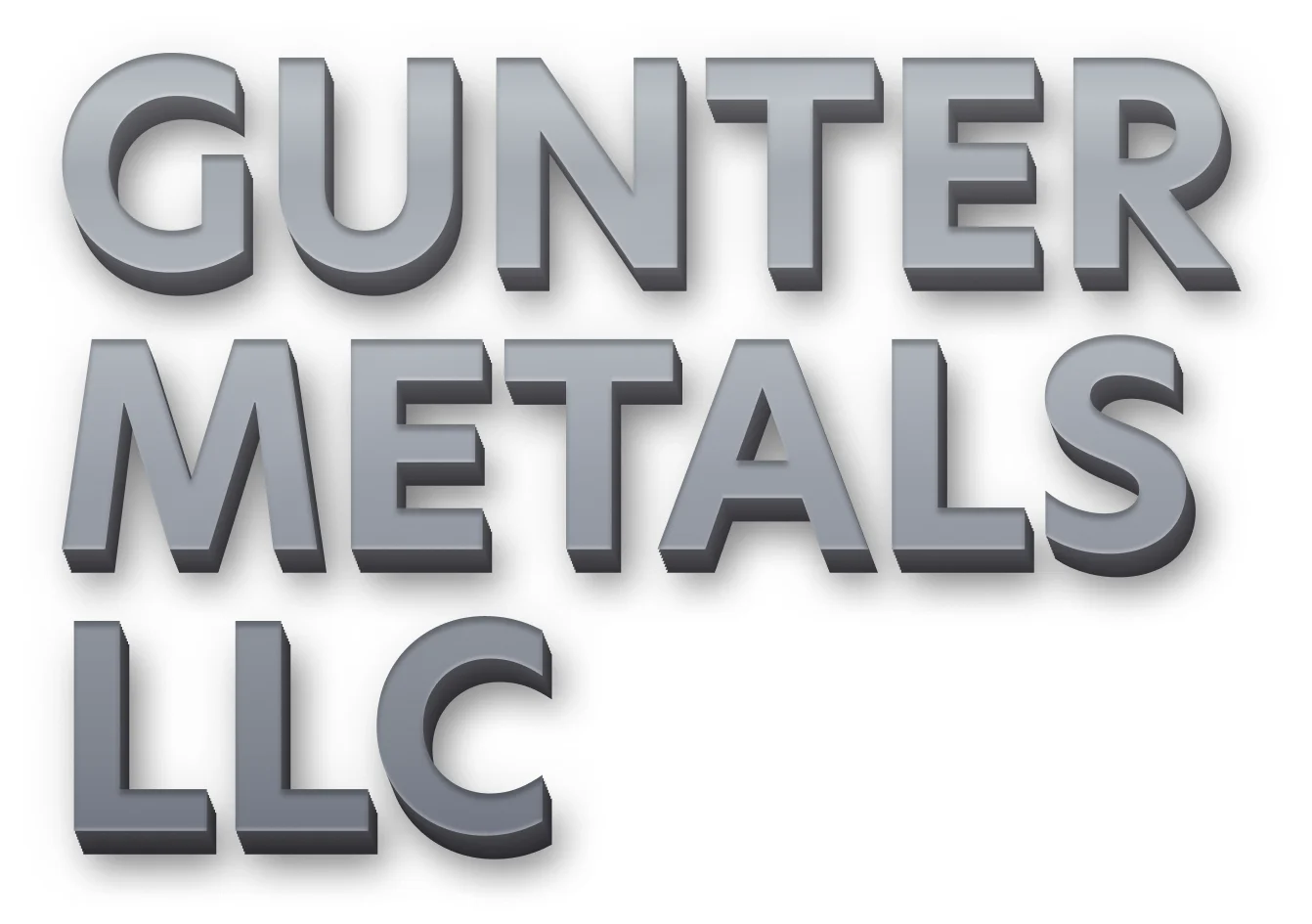
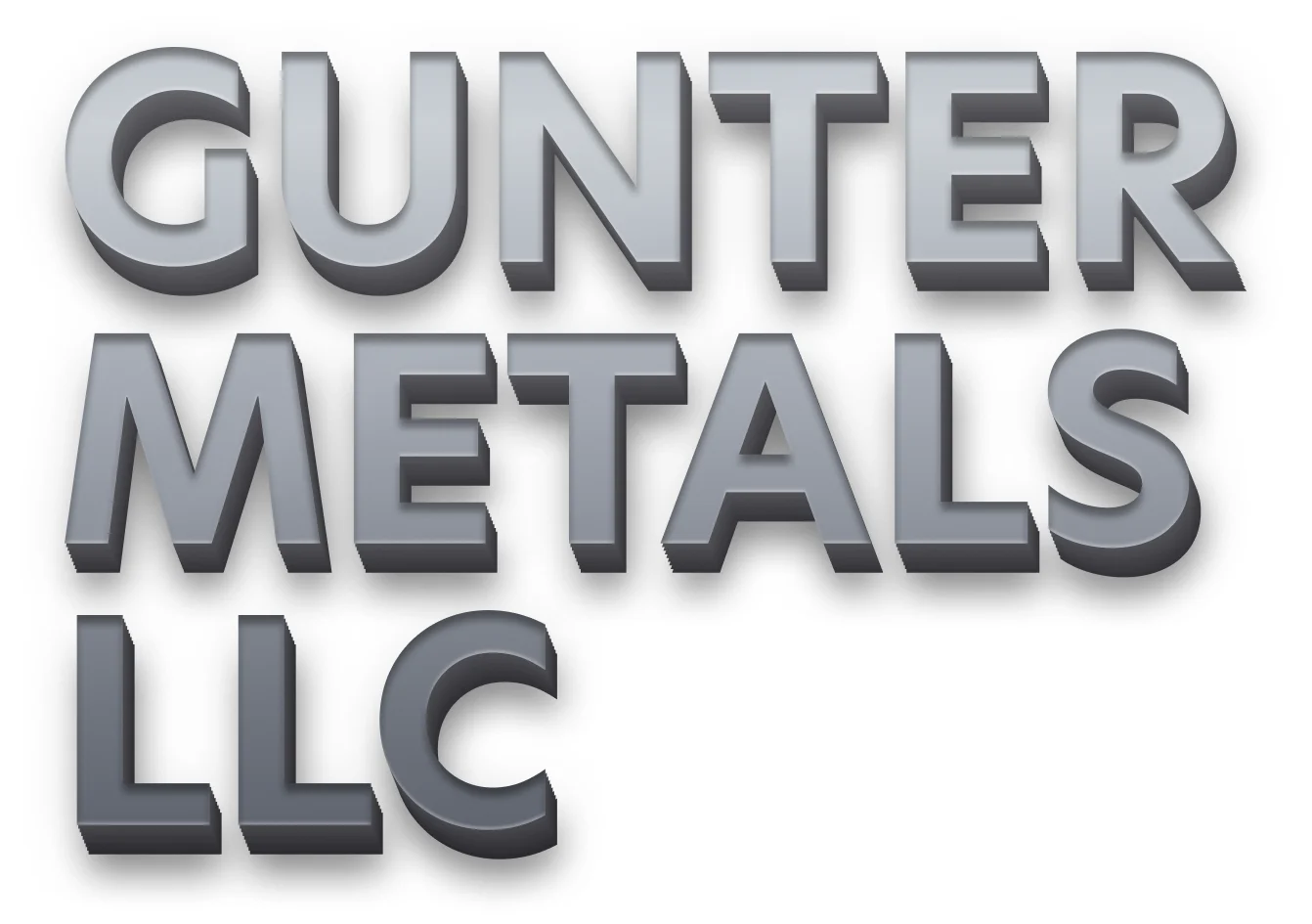

Early studies for how the wordmark tilts as the page scrolls, drawn before the stencil bridges were added.
AI didn't design the brand. It let one person do a studio's worth of exploring in four days, and spend the saved time on the decisions that matter.
The finishes
Colors from the material, not a trend
Who did what
AI widened the options. I made the calls.
What AI did
- Mapped regional competitors and built mood boards from real steel
- Studied how bare, galvanized and powder-coated steel read on screen
- Generated monogram and stencil studies, round after round
- Pressure-tested every direction
What I decided
- A stencil wordmark, with bridges sized to what a torch and the sheet can hold
- Brand colors taken from the material
- An ordering flow in shop language: metal, shape, size, cut list
- Writing the business rules down before AI touched pricing
What's next
Phase two: sharper quotes and more metal sales
Quote requests that capture the job
More automation in the request flow, so customers can describe the work precisely and the shop gets what it needs to quote.
Campaigns for metal sales
Campaigns that bring buyers to the metal counter, so metal sales grow alongside fabrication work and the business has more than one source of income.
Why it matters for your business
The AI part only works because the business rules were written down first.
What the shop sells, what it costs, how a cut list gets checked and how a request reaches the shop all became files and systems every tool reads from.
That's the same foundation the free AI Foundation Kit helps you build.
Next step